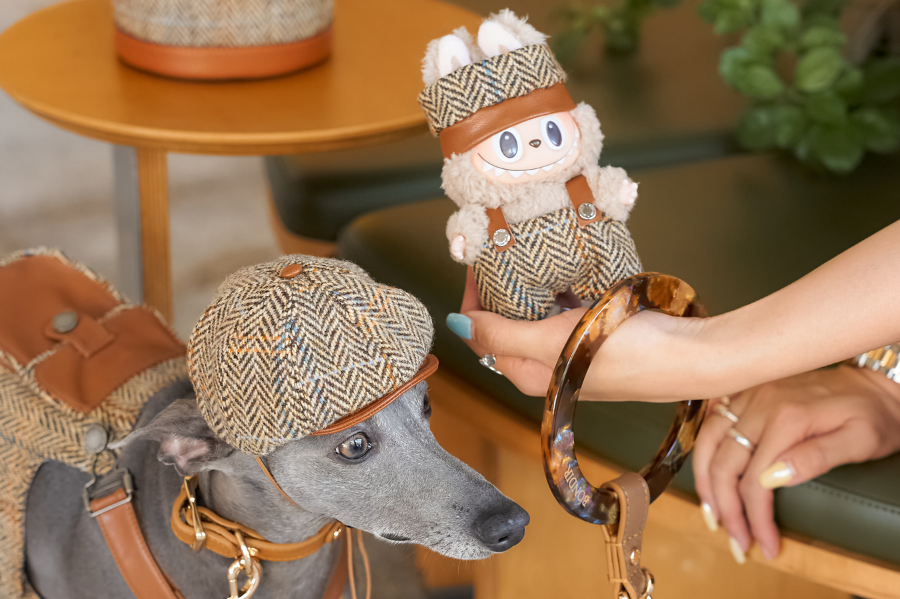
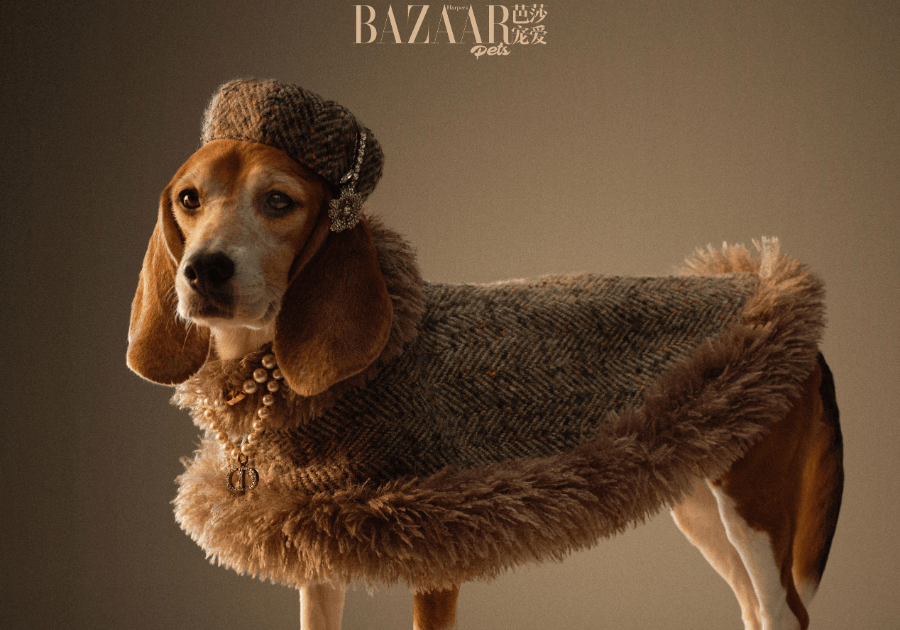
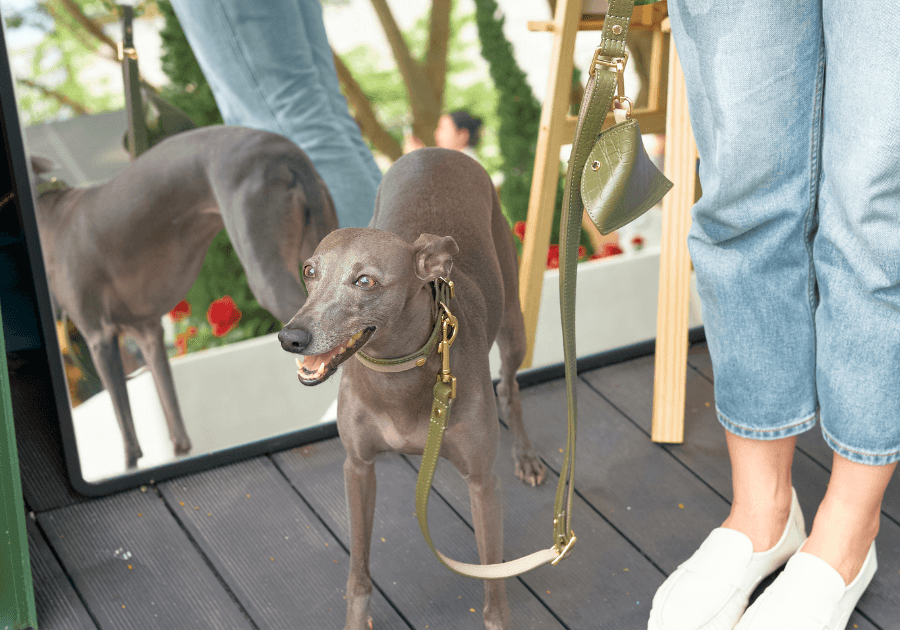
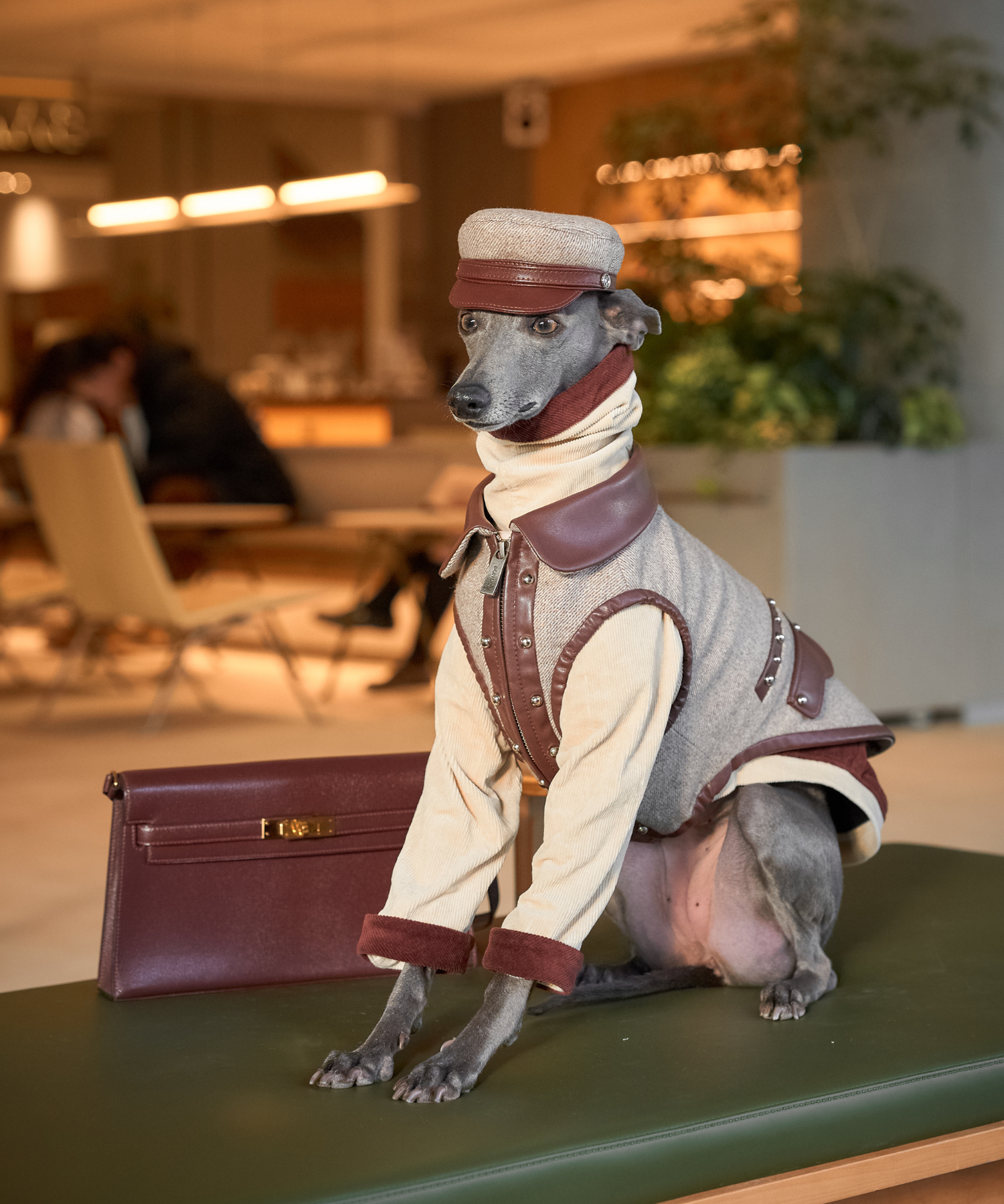
Dog clothing should solve a practical need before it makes a style statement. Warmth, rain protection, visibility, skin coverage, or reduced dirt can all be useful, but poor fit restricts movement and creates rubbing. When shopping at a dog apparel store, owners should compare the garment with the dog’s body shape, coat, activity, and local weather rather than relying on breed labels alone.
Measure while the dog is standing naturally. Chest girth is usually the controlling dimension, followed by back length and neck circumference. Use a soft tape without pulling it tight, and allow room for breathing and shoulder movement. If measurements fall between sizes, consult the product’s specific cut; sizing up is not always safer because excess fabric can twist, catch, or interfere with toileting.
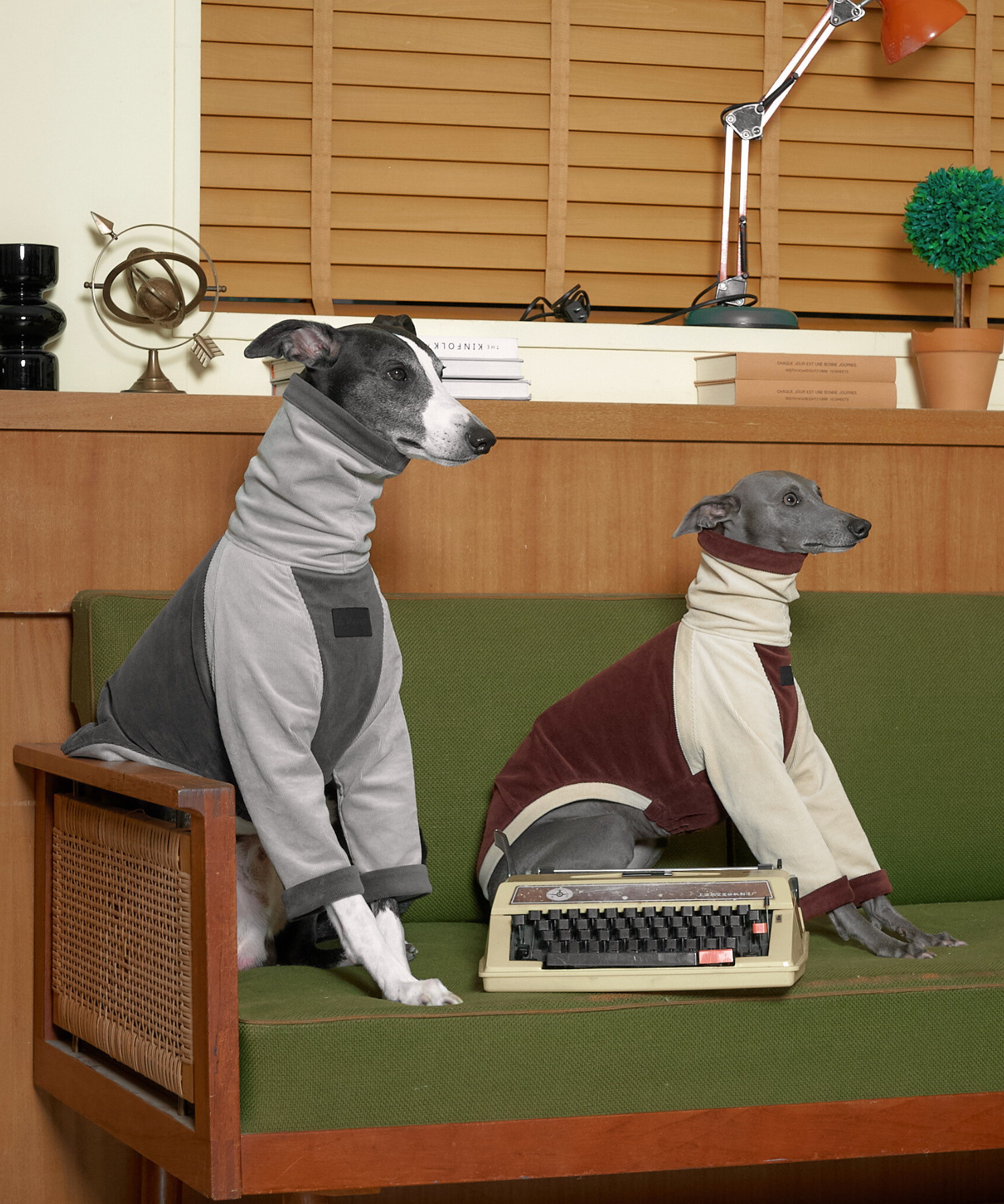
Choose insulation for the dog, not the owner’s sense of temperature. Fine-coated, small, senior, or low-body-fat dogs may appreciate a warm sweater or vest sooner than a dense double-coated breed. Watch behaviour during wear: shivering, slowing, seeking shelter, panting, or restlessness provide better feedback than a fixed seasonal rule.
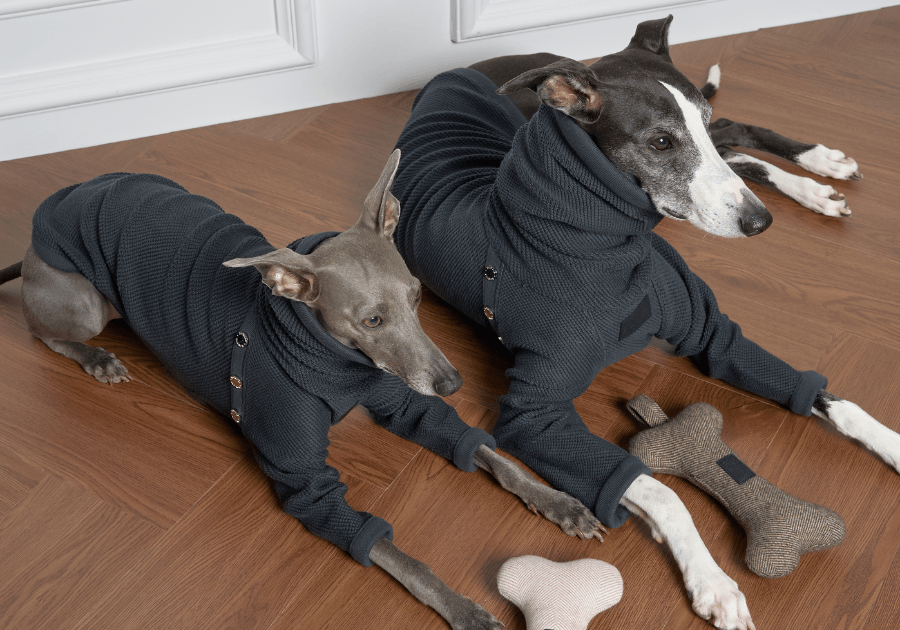
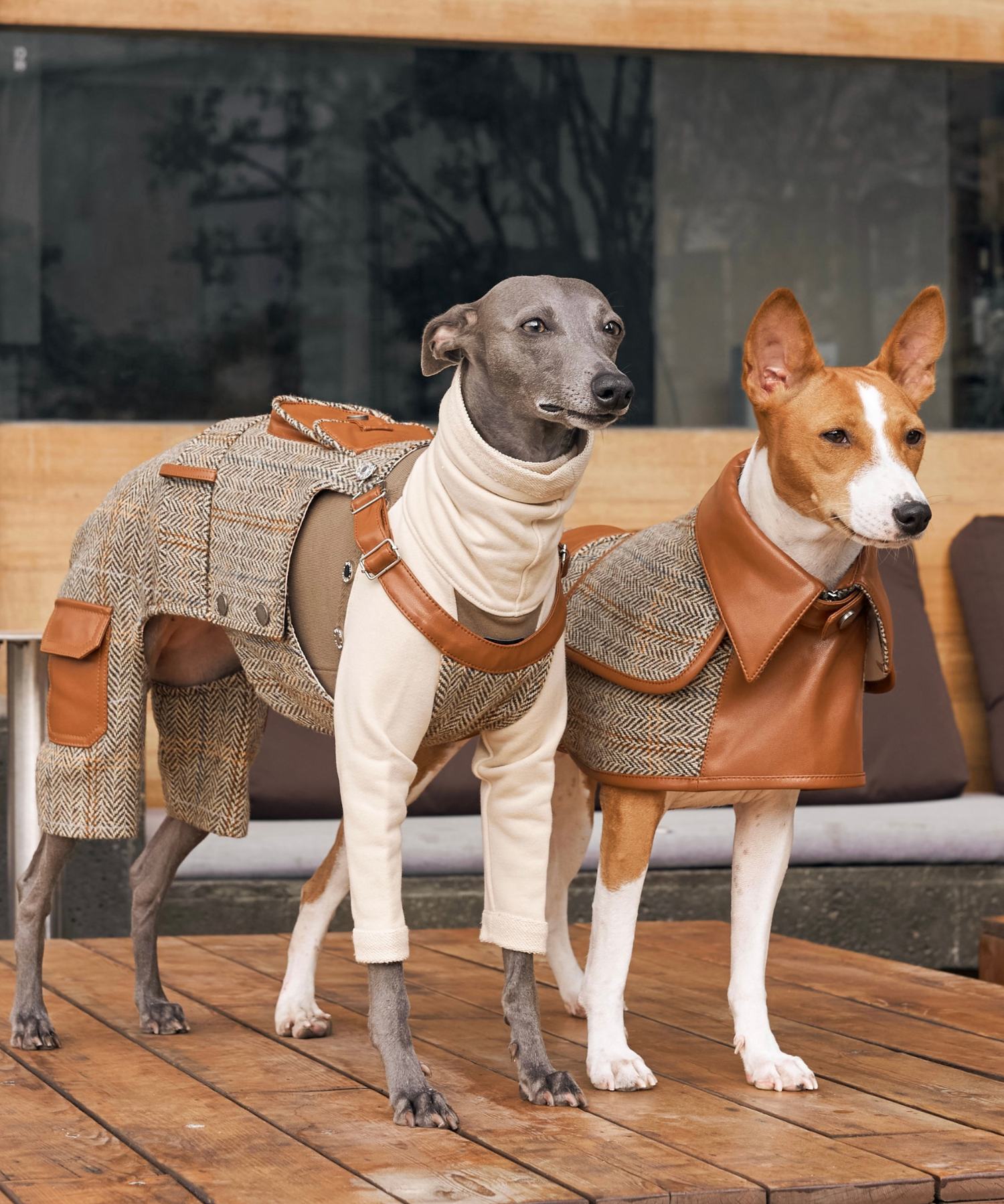
Fabric and construction determine comfort. Soft linings should sit against friction points, seams should avoid the armpits, and closures should not pull hair. Stretch helps with dressing but must recover after repeated wear. Wool and technical fabrics have different warmth, moisture, and care characteristics. Read washing instructions before purchase, because a garment that cannot be cleaned conveniently will not remain in regular use.
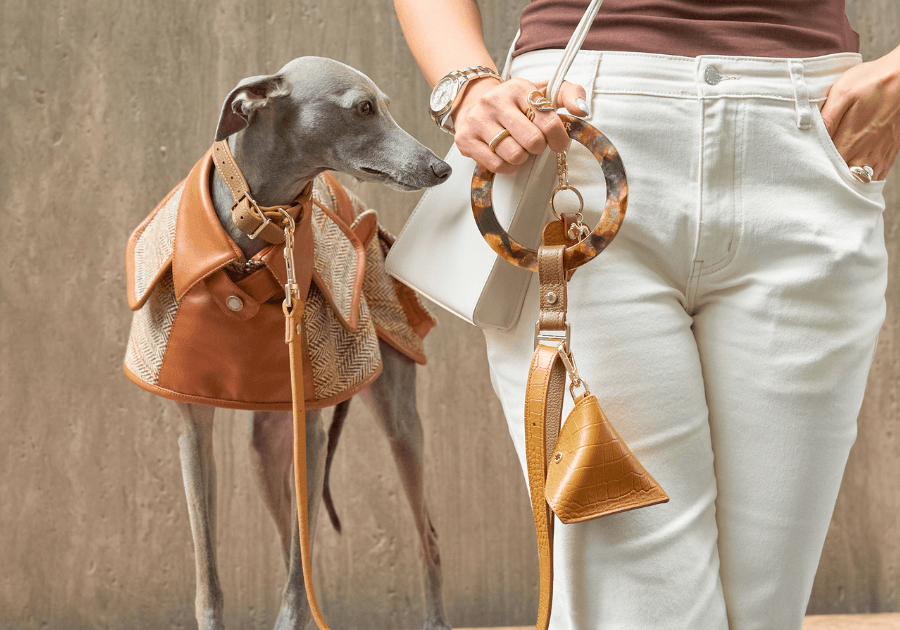
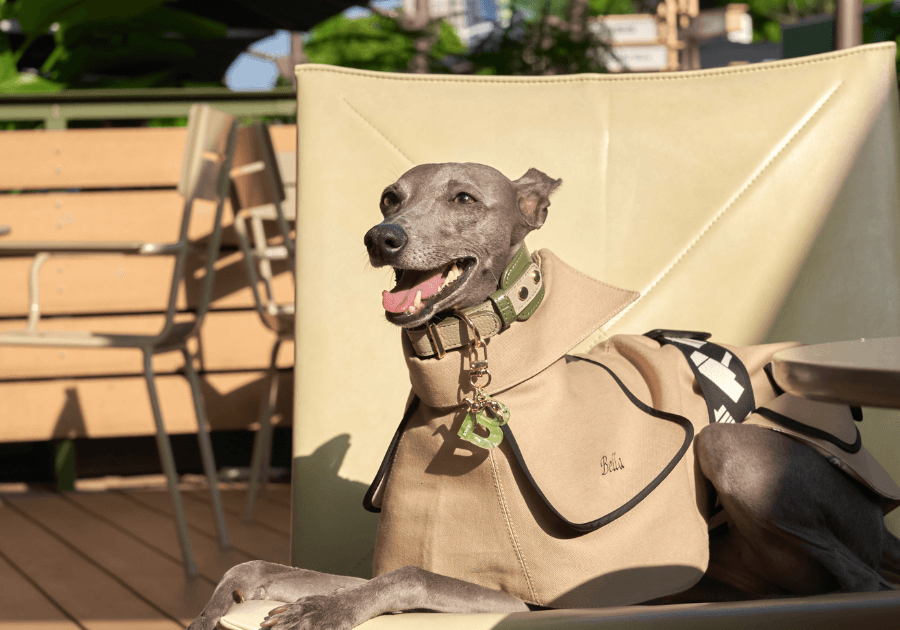
Outerwear such as a dog coat should protect the back and chest while preserving the full stride. Check leash or harness access, belly coverage, reflective details, and whether closures remain secure when wet. A water-resistant shell may be more useful than heavy insulation in mild rain, while prolonged cold requires attention to paws and exposure time as well as clothing.
Introduce garments gradually. Let the dog sniff the item, reward calm dressing, and begin with a few minutes indoors. Check the neck, chest, elbows, and belly after movement for redness or compressed fur. Never leave clothing on an unsupervised dog if straps, decorations, or loose fabric could snag or be chewed.
The right piece is easy to put on, stays centred, permits normal walking and toileting, and comes off without a struggle. Re-measure puppies and dogs whose weight changes. Fit and function are what allow thoughtful design to be enjoyed; without them, even beautiful clothing belongs in the wardrobe rather than on the walk.